
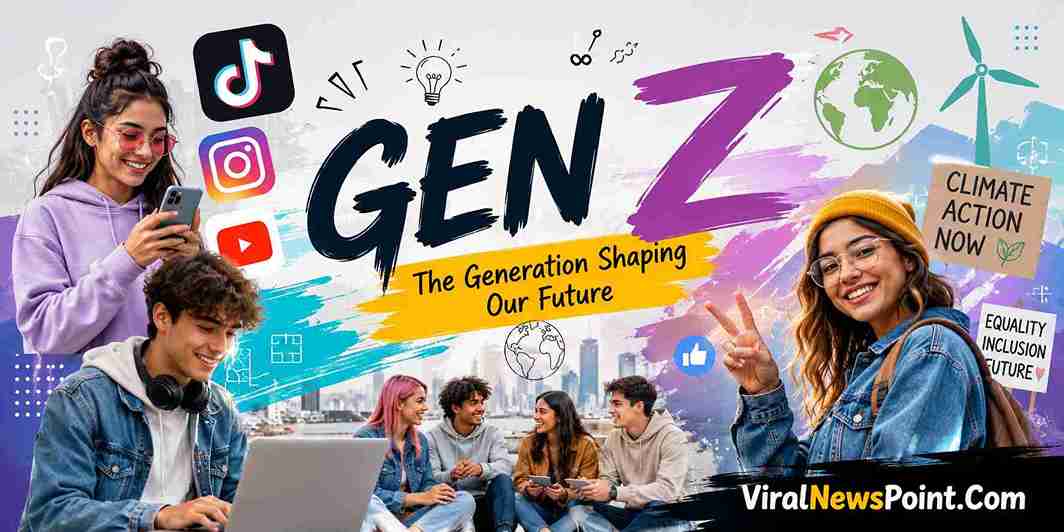
Generation Z, commonly known as “Gen Z,” is one of the most discussed generations in modern society. Born into a world shaped by smartphones, social media, globalization, and rapid technological innovation, Gen Z is transforming culture, education, workplaces, politics, entertainment, and consumer behavior at an unprecedented pace. Unlike previous generations, Gen Z has never experienced a world without the internet. Their perspectives are deeply influenced by digital connectivity, economic uncertainty, climate concerns, and evolving social values.
As Gen Z continues to enter adulthood and the workforce, businesses, educators, governments, and media organizations are paying close attention to how this generation thinks, behaves, and influences global trends. Understanding Gen Z is no longer optional—it is essential for anyone who wants to stay relevant in the modern era.
| Important Highlights About Gen Z | Details |
|---|---|
| Generation Name | Generation Z (Gen Z) |
| Birth Years | Approximately 1997–2012 |
| Age Group | 14 – 29 Years |
| Digital Identity | First fully digital-native generation |
| Key Traits | Tech-savvy, socially aware, independent |
| Popular Platforms | TikTok, Instagram, YouTube, Snapchat |
| Major Concerns | Mental health, climate change, financial stability |
| Workplace Expectations | Flexibility, purpose-driven careers, work-life balance |
| Shopping Habits | Online-first, research-oriented, value-conscious |
| Communication Style | Short-form, visual, authentic, fast-paced |
| Cultural Influence | Strong impact on trends, music, fashion, activism |
Who Exactly Is Gen Z?
Gen Z refers to the demographic cohort that follows Millennials and precedes Generation Alpha. While exact birth years vary slightly depending on research organizations, most experts define Gen Z as individuals born between 1997 and 2012.
This generation grew up during a period of enormous global transformation. They witnessed the rise of smartphones, streaming platforms, artificial intelligence, social media influencers, and digital economies from a very young age. Major world events such as the global financial crisis, the COVID-19 pandemic, climate emergencies, and political polarization also shaped their worldview.
Unlike Millennials, who adapted to technology during their teenage or adult years, Gen Z was immersed in digital environments from childhood. As a result, technology is not just a tool for them—it is part of their identity and daily existence.
The Digital-Native Generation
One of the defining characteristics of Gen Z is its deep connection with technology. This generation communicates, learns, shops, socializes, and entertains itself primarily through digital platforms.
Social media plays a central role in Gen Z culture. Platforms such as TikTok, Instagram, YouTube, and Snapchat are not merely entertainment sources; they influence fashion trends, political discussions, career aspirations, and purchasing decisions. Gen Z prefers short-form, visually engaging, and authentic content over traditional advertising or lengthy communication.
Their digital fluency also affects how they consume information. Instead of relying solely on television or newspapers, Gen Z gathers knowledge through online creators, podcasts, social media updates, and interactive platforms. This has significantly changed the media industry and forced brands to rethink communication strategies.
However, growing up online has also exposed Gen Z to challenges such as misinformation, cyberbullying, screen addiction, and online anxiety. These issues continue to influence discussions about digital responsibility and mental well-being.
Education and Learning Habits
Gen Z approaches education differently from previous generations. Traditional classroom methods often feel outdated to students who are accustomed to interactive and digital learning experiences.
This generation prefers flexible, accessible, and technology-driven education systems. Online courses, educational apps, YouTube tutorials, and AI-powered learning tools have become increasingly popular among Gen Z learners. They value practical skills and career-focused learning more than theoretical approaches.
Another major trend among Gen Z is self-learning. Many young individuals today acquire skills such as coding, video editing, graphic design, digital marketing, and entrepreneurship independently through online resources.
The COVID-19 pandemic accelerated digital learning adoption worldwide, making Gen Z even more comfortable with virtual classrooms and hybrid education systems. While online learning created convenience, it also highlighted concerns related to attention span, social interaction, and educational inequality.
Gen Z and Mental Health Awareness
Mental health is one of the most important issues for Gen Z. Compared to earlier generations, Gen Z is more open about discussing stress, anxiety, depression, and emotional well-being.
Social media has played a dual role in this area. On one hand, it has increased awareness and reduced stigma around mental health discussions. On the other hand, constant exposure to unrealistic lifestyles, online comparison, and digital pressure has contributed to emotional stress among young people.
Gen Z strongly supports therapy, emotional support systems, and mental health education. Many members of this generation actively advocate for self-care, work-life balance, and emotional transparency.
Educational institutions and employers are increasingly adapting to these expectations by offering counseling services, wellness initiatives, and mental health support programs.
Career Aspirations and Workplace Expectations
Gen Z is changing workplace culture significantly. Unlike older generations that often prioritized job stability over personal fulfillment, Gen Z seeks careers that align with their values, creativity, and lifestyle preferences.
Purpose-driven work matters deeply to this generation. They prefer organizations that demonstrate social responsibility, inclusivity, diversity, and ethical practices. Salary remains important, but workplace culture and flexibility often influence career decisions equally.
Remote work and hybrid work models are especially attractive to Gen Z because they value flexibility and independence. Many young professionals also pursue freelance careers, content creation, online businesses, and entrepreneurship instead of following traditional corporate paths.
Technology has enabled Gen Z to monetize creativity through platforms such as YouTube, TikTok, freelancing websites, and digital marketplaces. This has expanded career possibilities beyond conventional employment structures.
However, Gen Z also faces serious economic challenges, including rising living costs, student debt, housing affordability issues, and uncertain job markets.
Consumer Behavior and Spending Patterns
Gen Z is rapidly becoming one of the most influential consumer groups globally. Their spending habits differ greatly from those of previous generations.
This generation researches products extensively before purchasing. Online reviews, influencer recommendations, social media trends, and user-generated content strongly affect buying decisions. Gen Z values authenticity and often rejects overly polished or misleading advertising.
Sustainability is another major factor influencing their consumption choices. Many Gen Z consumers prefer eco-friendly brands, ethical production practices, and socially responsible businesses.
E-commerce dominates Gen Z shopping behavior. Mobile shopping, digital wallets, online marketplaces, and social commerce are central to how they purchase products and services.
Brands that fail to connect emotionally or ethically with Gen Z often struggle to maintain relevance in today’s competitive market.
Social Awareness and Activism
Gen Z is widely recognized for its social consciousness and activism. Issues such as climate change, gender equality, racial justice, LGBTQ+ rights, mental health awareness, and political accountability are deeply important to this generation.
Social media has amplified Gen Z activism by allowing young voices to reach global audiences instantly. Online campaigns, digital petitions, and awareness movements frequently gain momentum through Gen Z participation.
Climate activism, in particular, has become a defining issue for many Gen Z individuals. They increasingly demand sustainable policies, renewable energy solutions, and environmental accountability from governments and corporations.
This generation is also more inclusive and globally connected than many previous generations. Diversity and representation matter significantly in media, workplaces, education, and politics.
Entertainment and Cultural Influence
Gen Z has dramatically reshaped entertainment industries worldwide. Traditional television and celebrity culture are no longer dominant in the same way they once were.
Content creators, streamers, influencers, gamers, and independent artists now hold significant cultural power. Platforms like TikTok and YouTube can turn ordinary individuals into global celebrities overnight.
Music consumption patterns have also changed. Gen Z prefers streaming services and short-form music discovery through social media rather than traditional radio channels.
Fashion trends among Gen Z emphasize individuality, nostalgia, sustainability, and self-expression. Vintage fashion, thrift shopping, and gender-neutral styles have become increasingly popular.
Memes, internet humor, and viral trends are central elements of Gen Z communication culture. Their fast-moving digital culture constantly influences global entertainment industries.
Challenges Facing Gen Z
Despite its strengths and influence, Gen Z faces multiple serious challenges.
Economic uncertainty remains a major concern. Many young people worry about inflation, job security, housing affordability, and long-term financial stability.
Mental health struggles continue to rise due to academic pressure, social comparison, and digital overload. Additionally, the pressure to maintain an online presence can create emotional exhaustion.
Climate anxiety is another growing issue among Gen Z. Many feel uncertain about the future due to environmental crises and global instability.
Political polarization, misinformation, and rapid technological changes also contribute to uncertainty and stress within this generation.
The Future of Gen Z
As Gen Z matures, its influence on global society will continue to expand. This generation is expected to shape future workplaces, political systems, technological innovation, entertainment, and consumer markets for decades.
Businesses are increasingly adapting products, marketing strategies, and workplace cultures to meet Gen Z expectations. Educational systems are also evolving to provide more flexible, technology-integrated learning experiences.
Gen Z’s emphasis on authenticity, inclusion, sustainability, and digital innovation may significantly influence how future societies operate. Their ability to adapt quickly to technological change positions them as one of the most transformative generations in history.
Conclusion
Gen Z is far more than just a demographic label. It represents a generation shaped by digital transformation, social awareness, global challenges, and cultural evolution. Their influence can already be seen across industries, politics, education, entertainment, and everyday life.
Understanding Gen Z is essential because this generation is actively redefining communication, work culture, consumer behavior, and social values. While they face significant challenges, their adaptability, creativity, and global connectivity also make them a powerful force for innovation and change.
As the world continues to evolve rapidly, Gen Z will remain at the center of many important conversations shaping the future of society.
